










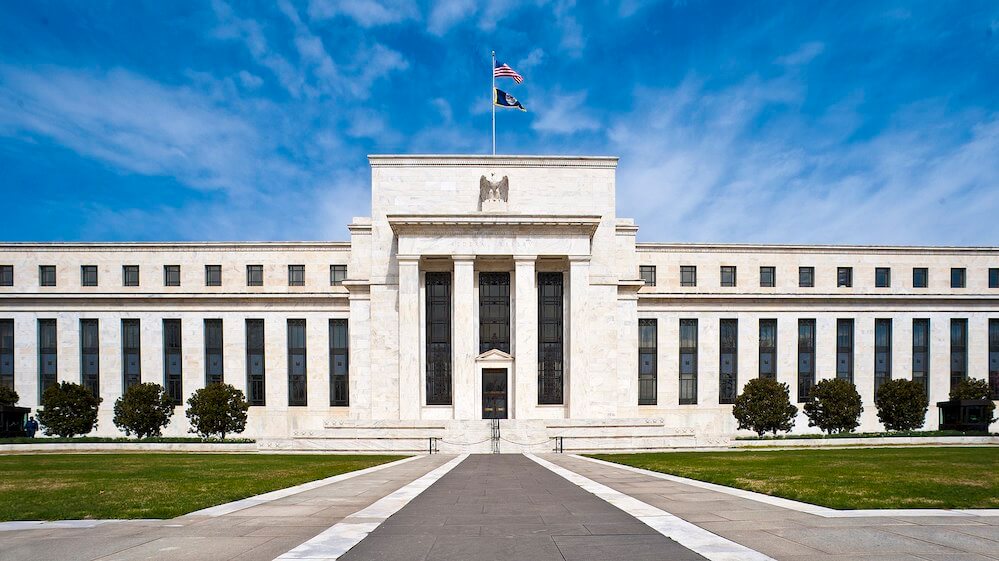
The Federal Reserve on Wednesday approved the first rate cut in nine months and signaled that more cuts are likely before the end of the year.
In its statement, the Federal Open Market Committee says that while inflation ticked back up and economic activity moderated in the first half, job gains slowed and unemployment edged up.
Balancing these and other factors, the committee opted to cut the fed funds rate by 0.25% to the range of 4.0% to 4.25%.
Voting for the cut were Jerome H. Powell, chair; John C. Williams, vice chair; Michael S. Barr; Michelle W. Bowman; Susan M. Collins; Lisa D. Cook; Austan D. Goolsbee; Philip N. Jefferson; Alberto G. Musalem; Jeffrey R. Schmid; and Christopher J. Waller.
Voting against the action was Stephen I. Miran, who preferred to lower the target range for the fed funds rate by 0.5%.
“The FOMC cut the federal funds rate target by 25 basis points, in line with market expectations,” says Mike Fratantoni, senior vice president and chief economist for the MBA, in a statement. “The projections show that the median FOMC member anticipates two additional cuts in 2025 and one more in 2026, with the expectation that the job market will remain soft while inflation, while rising, won’t move too far before returning to the Fed’s 2 percent target.”
“While the decision was not unanimous, with one dissent from the newest governor, Stephen Miran, the strong vote for the 25-basis-point cut suggests that members, while acknowledging that downside risks to the job market have increased, are not panicking about the state of the economy,” Fratantoni says.
Because the rate cut was widely expected, it was already priced into the market, but with the likelihood of additional cuts later this year, mortgage rates could continue to fall.
“Mortgage rates, along with longer-term Treasuries moving in advance of this dovish shift in monetary policy, reached their lowest point for the year last week, spurring a strong jump in refinance activity,” Fratantoni says. “If mortgage rates hold at these levels, origination activity will be boosted, both for homeowners who purchased in the last three years and can realize considerable savings at these rates, and for potential homebuyers, who now have one more reason to look for a home, in addition to increasing housing supply in many markets.”
Bill Banfield, chief business officer for Rocket Mortgage, says the 25-basis-point cut today reflects the Fed’s “recognition that employment is weakening and inflation remains above the Fed’s goal of two percent.”
“This move helps bring monetary policy back toward neutral, supporting growth without overheating the economy,” Banfield says in a statement. “Mortgage rates may stay relatively flat in the short term since markets had already priced in this cut. However, consumers could benefit from lower short-term rates, making adjustable-rate mortgages – which closely follow the Fed’s moves – more attractive. For consumers, it’s another signal that the cost of borrowing is gradually moving lower.”